The Hidden Dangers in Disposable Sanitary Napkins: Why Young Women Must Rethink Their Period Products
Young women today are experiencing an alarming rise in period pain, irregular periods, PCOS symptoms, infertility concerns, and other menstrual disorders. While many rush online searching for a period pain cure, irregular period treatment, PCOS diet plan, or best menstrual products, one major factor often goes unnoticed: the harmful chemicals inside disposable sanitary pads. Recent research now confirms what many suspected—these pads may be contributing to the growing reproductive health crisis among young women.
1. Toxic Chemicals Are Present — and Can Be Absorbed
-
A major systematic review by Marroquin et al. (2024) revealed that commercial disposable pads contain endocrine-disrupting chemicals such as phthalates, volatile organic compounds (VOCs), dioxins, and synthetic fragrances. These chemicals are easily absorbed through the skin and the highly permeable vaginal area, entering the body and potentially interfering with hormone balance. This is especially concerning for girls dealing with period cramps, hormonal acne, PCOS, or irregular menstrual cycles, because these toxins can worsen existing symptoms or create new ones.
Marroquin, Joanna, et al. "Chemicals in menstrual products: a systematic review." BJOG: An International Journal of Obstetrics & Gynaecology 131.5 (2024): 655-664.
2. India-Specific Evidence: Higher Toxicity Levels & Greater Risk
-
Kumar et al. (2024) conducted one of the most important India-focused studies and found extremely high levels of pesticide residues, phthalates, and heavy metals like lead, cadmium, and mercury in popular sanitary pad brands. These chemicals are linked to hormonal imbalance, infertility, uterine inflammation, and delayed ovulation. Shockingly, the study reported that Indian sanitary pads contained higher concentrations of toxins compared to pads sold in the USA, Europe, and Japan. For the many young women in India dealing with PCOS symptoms, irregular periods, period cramps, or severe menstrual pain, this is deeply concerning.
Kumar, Binay, et al. "The Indian perspective on the harmful substances found in sanitary napkins and their effects on the environment and human health." Environmental Science and Pollution Research 31.25 (2024): 36217–36229.
3. Direct Impact on Reproductive Health
-
Studies by Gaikwad et al. (2023) and Avhad et al. (2023) reveal how repeated exposure to toxins in sanitary pads disrupts the endocrine system, impacting ovulation, menstrual cycle length, and reproductive health. Their findings show clear links between chemical exposure and delayed menarche, irregular cycles, painful cramps, and PCOS-like symptoms in long-term users. Many young women searching for PCOS treatment, period pain relief, or best menstrual hygiene products may not realize that their sanitary pads are part of the problem.
Gaikwad, Mayuri K., et al. "Impact of Hazardous Chemical compounds on Reproductive System Reported in Sanitary Products." Research Journal of Pharmacology and Pharmacodynamics 15.3 (2023): 112–118.
Avhad, Pooja, et al. "Impact of Hazardous Chemical Compounds on the Reproductive System Reported in Sanitary Products." (PDF)
4. Heavy Metals Across Global Brands
-
Ma et al. (2024) tested sanitary pads from seven countries—China, Japan, South Korea, USA, UK, Australia, and Germany—and detected dangerous levels of arsenic and lead. These heavy metals accumulate in the body over time, contributing to neurotoxicity, reproductive system damage, and worsening conditions like PCOS, thyroid imbalance, and severe menstrual cramps.
Ma, Jiayi, et al. "Occurrence of heavy metals in sanitary napkins from seven countries: implication for risk management of female hygiene products." Environmental Technology & Innovation 34 (2024): 103606.
5. Phthalates: A Silent Threat Lurking in Pads
The Consequences Are Real.
Young women today are facing an epidemic of menstrual issues: painful cramps, irregular cycles, early onset PCOS — and chemical-laden disposable products may be a major but overlooked contributor. These harmful substances can be absorbed through the skin and enter the bloodstream, interfering with hormone signaling and disrupting natural cycles.
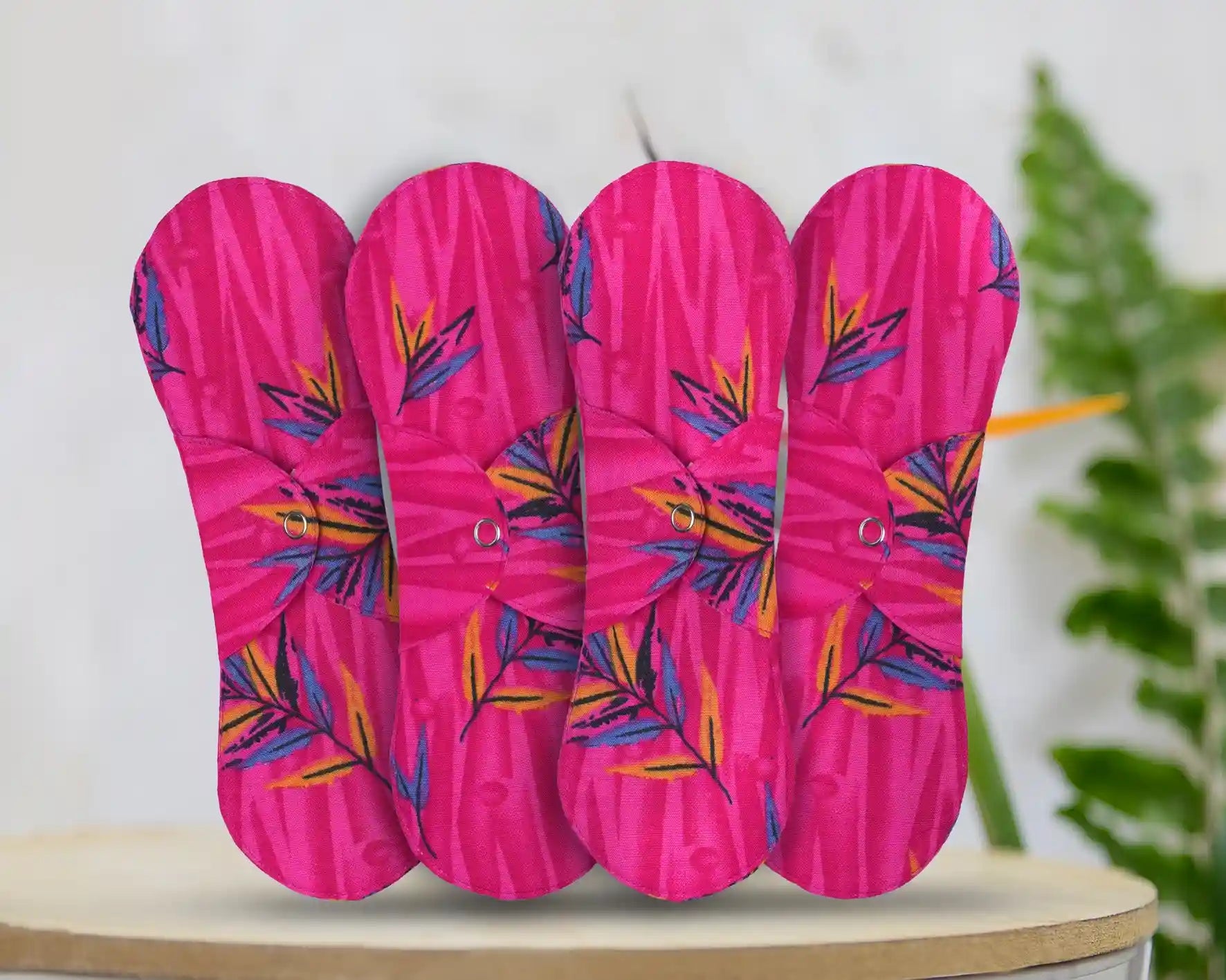
Safer Alternatives: Choosing natural, breathable, reusable menstrual products made without toxins is not just an environmental choice — it's a health decision. Thousands are already making the switch — and seeing changes in just a few months.