RECENT POSTS
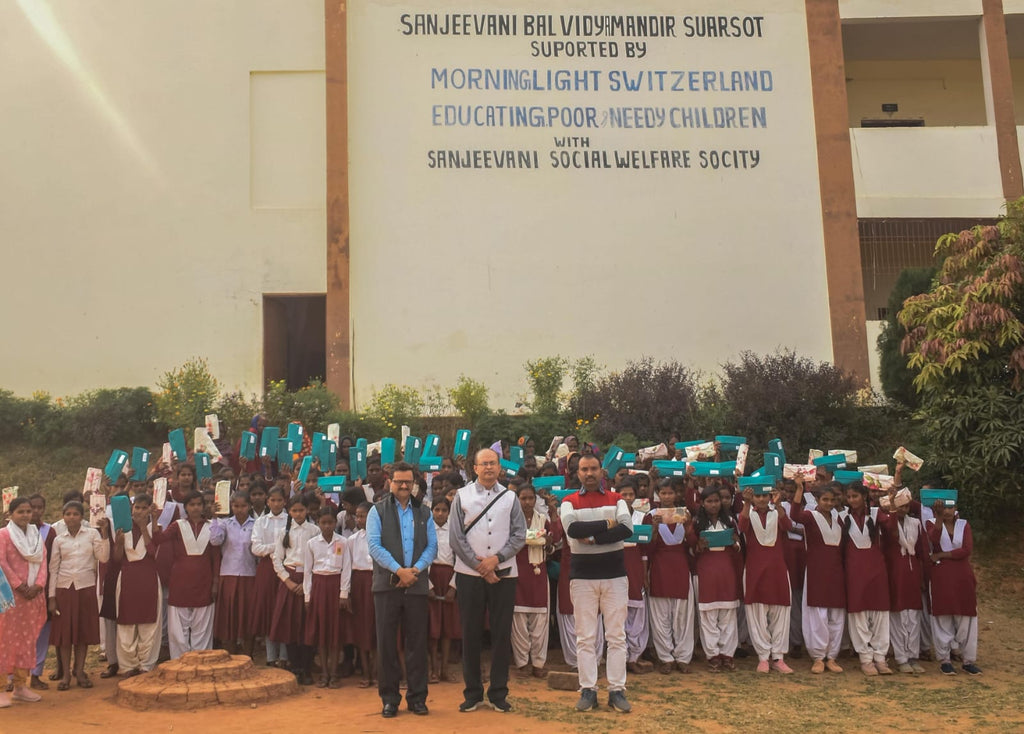
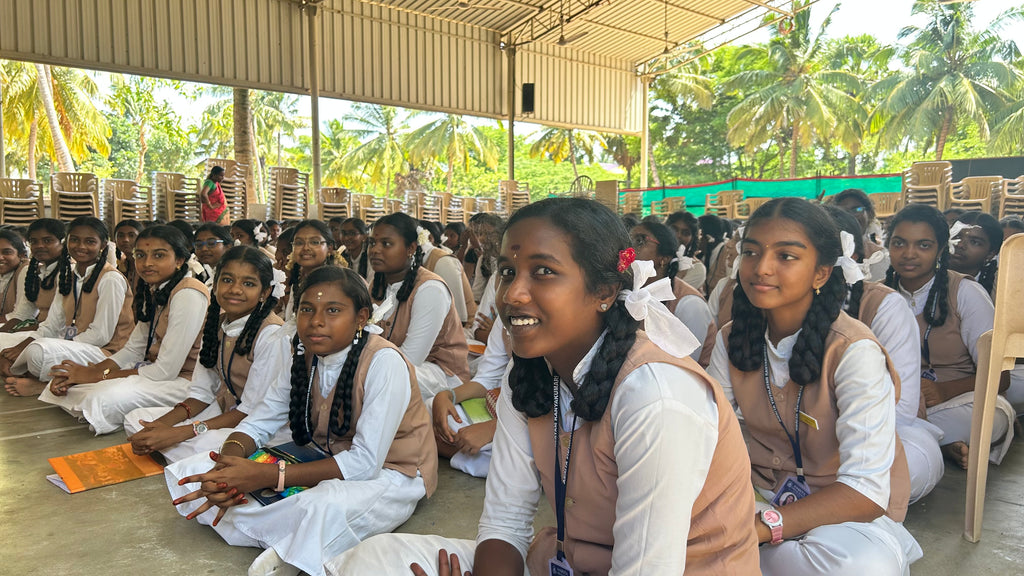
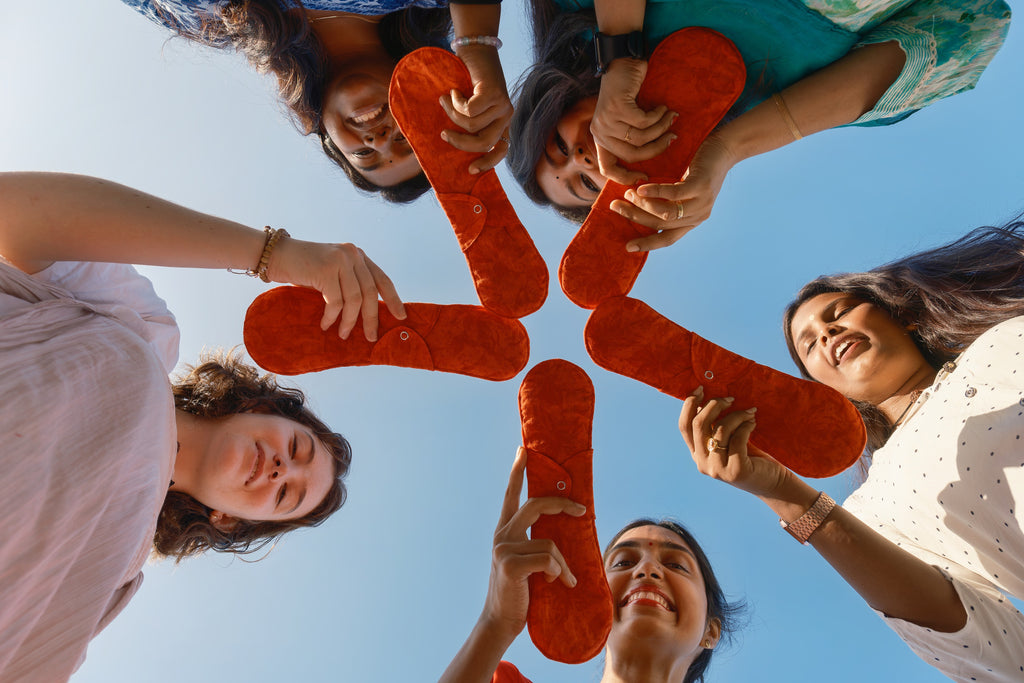
Reusable Pads for Musahar Girls and Women in Bihar
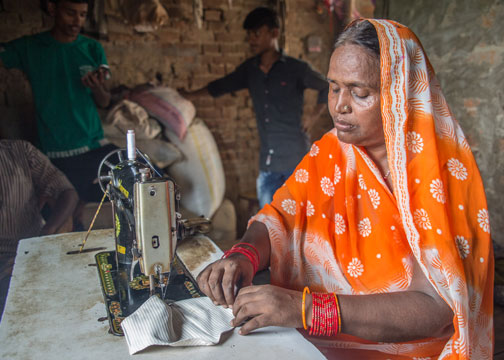
"Musahar" literally means one who eats rats. Pause for a second. Why would anyone eat rats? Extreme poverty. There are an estimated 40 lakh people in Bihar from this Dalit community, and many more across Uttar Pradesh, Jharkhand, West Bengal, and Nepal.
I first came face-to-face with the Musahar community while travelling across some of India's most backward regions, identifying villages where teams from Amrita Vishwa Vidyapeetham would later work. Mud huts. Pigs roaming freely. Children out of school. Girls married early. This was not decades ago. This was in 2013–14.
One Intervention, One Chance
We started small: a tuition teacher, a health worker, one basti. Over time, children who chose education became young adults building lives very different from the ones they were born into. Intervention does not need scale to start working. It just needs intent.
- Musahar community faces extreme poverty — menstrual health is entirely inaccessible without outside intervention
- Girls in these communities are often married before adolescence, making early menstrual health education critical
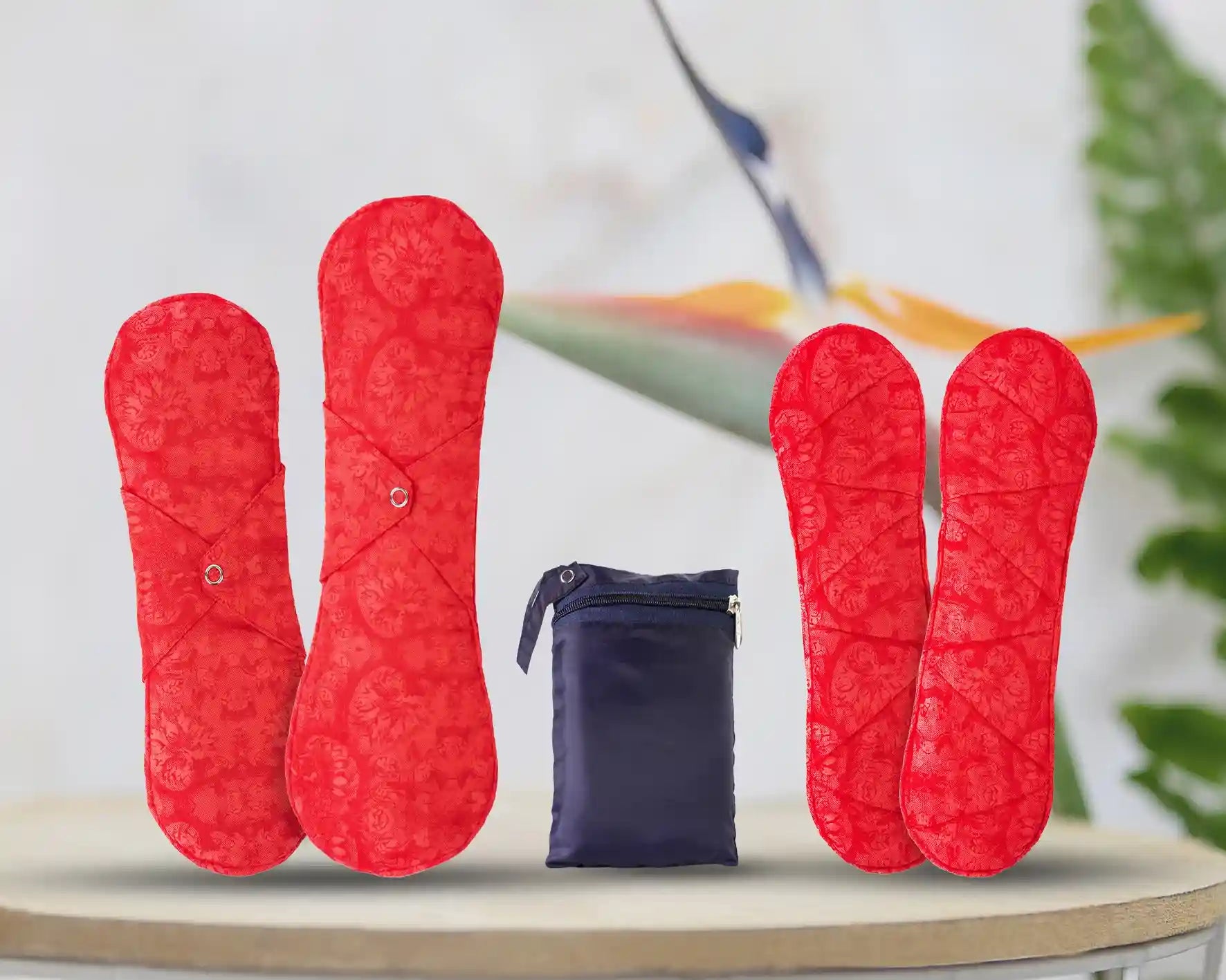
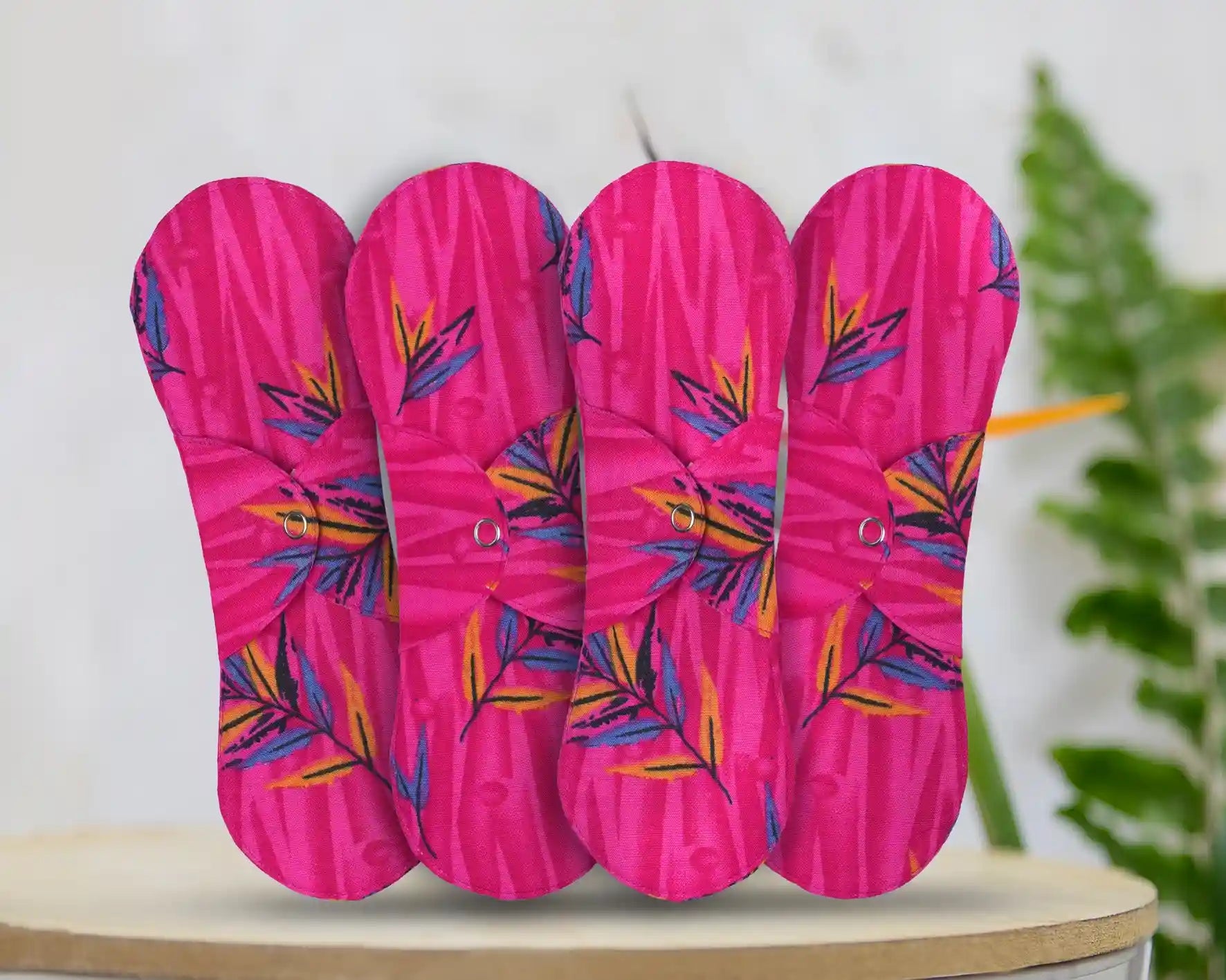
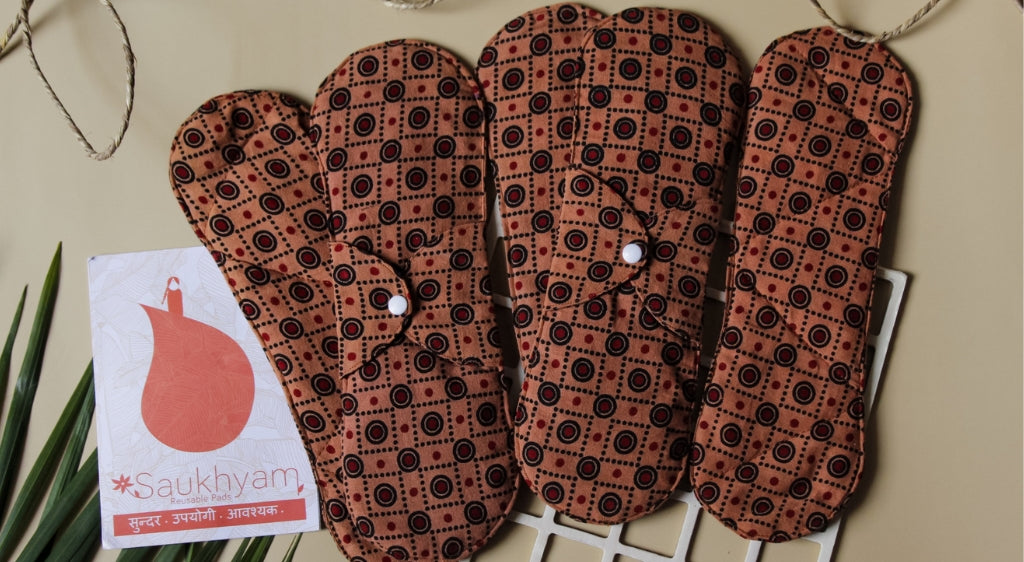
- Reusable pads, once the knowledge of care is established, are the most sustainable option for communities far from supply chains
- Peer adoption within tight-knit Dalit communities accelerates behaviour change faster than external campaigns
“That's often enough to change a life trajectory.”
- Anju Bist
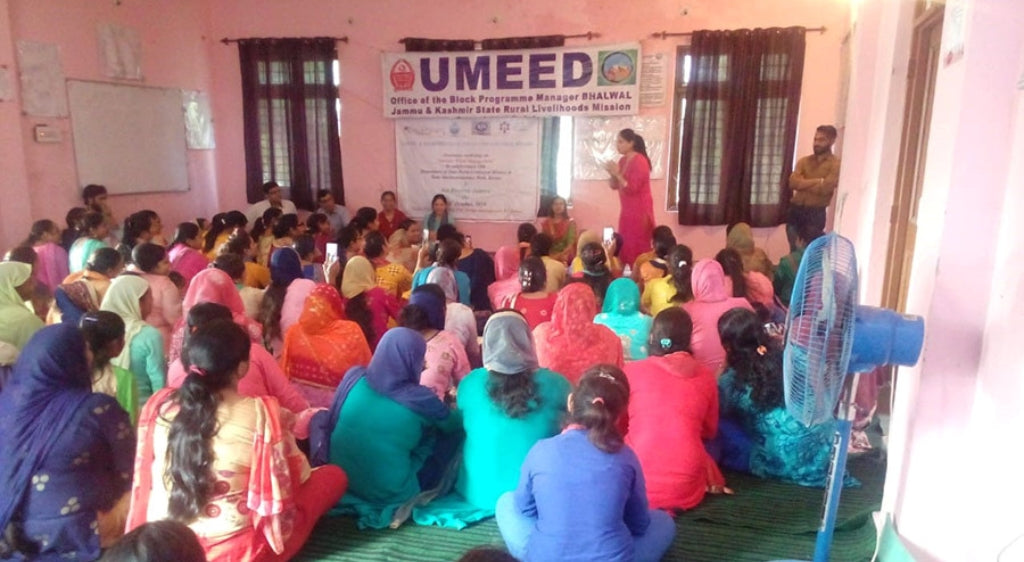
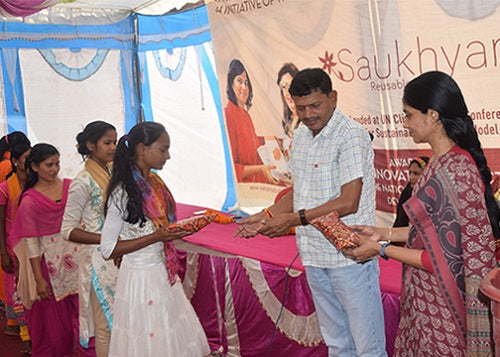
When Mansi Kumari from SBI Foundation reached out, wanting to distribute reusable pads among Musahar girls and women in Bihar, the answer was immediate: yes. Because we had seen this before — one product, one session, one conversation can shift the direction of a life that had no other direction to go.
Related post
11
Sep
11
Nov
06
Apr
28
Feb
04
Sep
26
May
10
Feb
08
Nov
08
Jul
11
Feb
02
Dec
18
Nov
04
Nov
21
Oct