RECENT POSTS



What Happens When Students Map Their Own Menstrual Health Goals
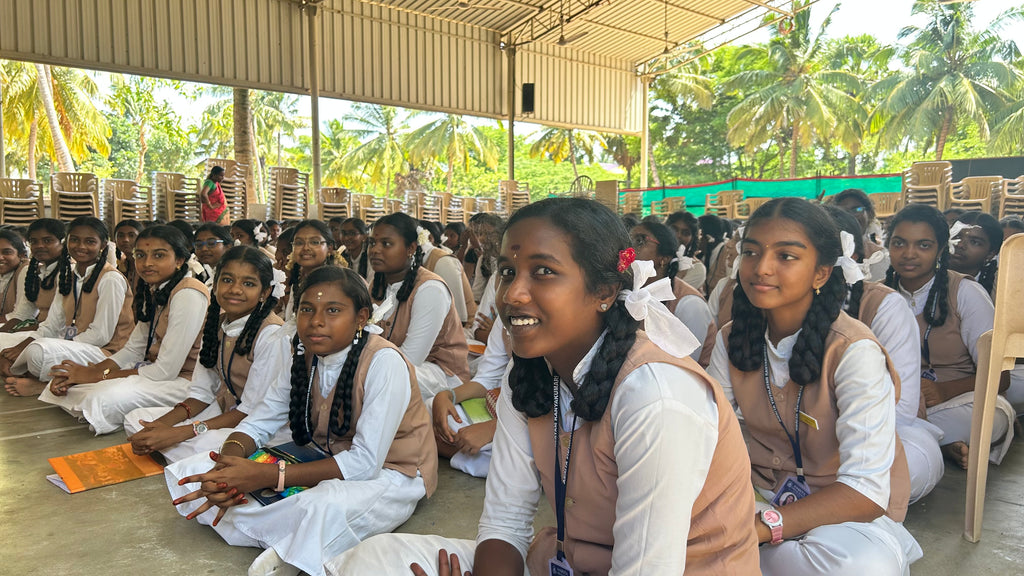
Project CARE does not begin with a lecture. It begins with a blank sheet of paper and a question: What do you already know? What are you not sure about? And what do you want to do about it?
In a recent campus workshop, a group of students spread a mind-map poster across a table and began filling it in together. Around the central question — why don't more people use reusable menstrual products? — branches grew: stigma, lack of awareness, fear of discomfort, cost assumptions, absence of peer role models. Each branch was followed by another question: what can we do?
The Power of Student-Led Analysis
When students identify the problem themselves, something fundamentally different happens. They do not just absorb information — they take ownership of it. The transition from passive recipient to active advocate is the core goal of CARE, and it starts at exactly this kind of table.
- Peer-led conversations convert more people than top-down awareness campaigns
- Students identify barriers that adult facilitators often overlook
- Brainstorming workshops surface local solutions tailored to the campus context
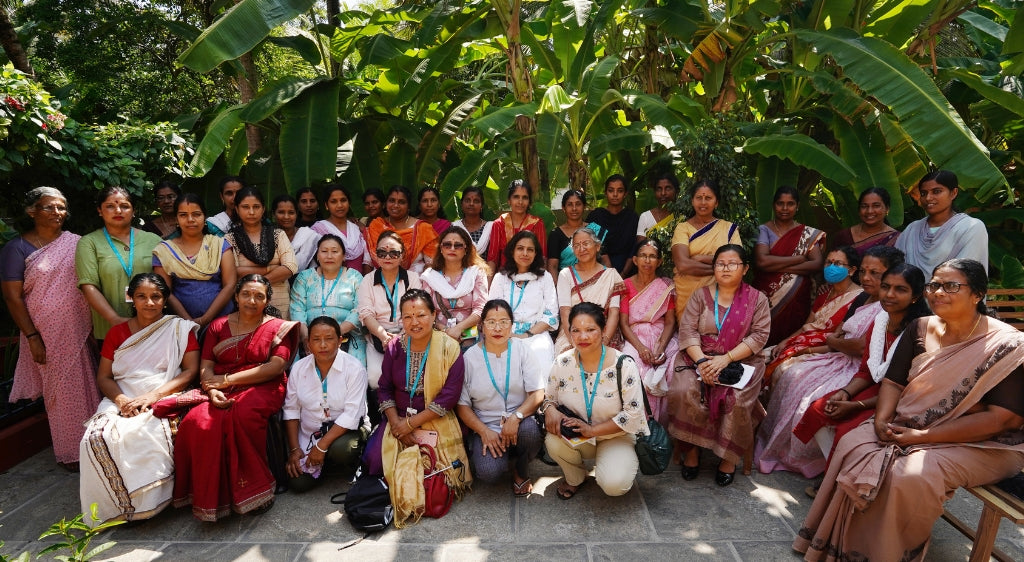
- CARE cohort members become the first visible reusable product users in their hostels
“We thought we were doing a workshop. By the end, we had a plan. And four of us had already decided to switch.”
- CARE cohort participant
Related post
11
Sep
11
Nov
06
Apr
28
Feb
04
Sep
26
May
10
Feb
08
Nov
08
Jul
11
Feb

02
Dec

18
Nov

04
Nov

21
Oct